Featured Press & Thought Leadership
This analysis examines the published op-ed authored by Dr. Rohan Patel, MD in the Carolina Journal: “Autism therapy headlines are real but don’t define industry” . Explore Dr. Patel’s contributor profile on Carolina Journal .
If you have followed recent news regarding pediatric autism therapy across the country, you have likely encountered alarming headlines. Over the past few months, investigative reports from both The New York Times and The Wall Street Journal have scrutinized how certain private clinics bill Medicaid for Applied Behavior Analysis (ABA) therapy. The reporting uncovers thin regulatory oversight, corporate rollups prioritizing billable hours, and in multiple states, criminal charges for fraudulent billing practices.
As a developmental-behavioral pediatrician who evaluates children and refers families for specialized therapies across North Carolina, I take these investigative reports with the utmost seriousness. The issues exposed point to real, systemic vulnerabilities. When unscrupulous entities exploit public insurance programs, they betray the sacred trust of vulnerable families and taxpayers. But even more critically, they risk tarnishing the reputation of an entire clinical discipline and the dedicated, ethical clinicians who serve our children by the book every single day.
The Danger of Conflating Fraud With Clinical Science
We cannot allow the misconduct of bad actors to overshadow what evidence-based ABA achieves when delivered with clinical integrity. Across six decades of rigorous research, Applied Behavior Analysis has stood as the gold standard of care for young children with autism spectrum disorder (ASD), recognized by both the American Academy of Pediatrics (AAP) and the American Academy of Child and Adolescent Psychiatry (AACAP).
In my clinical practice at NeuroKids Developmental Pediatrics, I witness the tangible, life-changing breakthroughs that happen when ethical, high-quality therapy is implemented:
- A non-speaking toddler acquiring functional language and gestures to express their needs and reduce frustration.
- A school-age child learning social navigation and peer reciprocity, unlocking meaningful connections in the classroom.
- A family previously overwhelmed by severe sensory meltdowns and emotional dysregulation finding routine, predictability, and peaceful family dinners.
The fundamental question facing medicine and public policy is not whether ABA therapy works—decades of behavioral science prove it does. The question is whether our healthcare regulatory system ensures it is delivered honestly, transparently, and with uncompromised quality.
1. Know Your Child’s BCBA: Hands-On Supervision Is Mandatory
In high-standard behavioral therapy, a Board Certified Behavior Analyst (BCBA) must be an active, consistent presence. The BCBA designs the personalized treatment protocol, continuously reassesses progress, adjusts targets, and directly trains and supervises the registered behavior technicians (RBTs) who provide day-to-day direct support.
In strong programs, parents know their BCBA intimately. They communicate regularly, receive data-backed updates, and understand precisely why specific interventions are selected. In contrast, the clinics highlighted in federal investigations share an unmistakable pattern of abuse: a supervisor’s name stamped on charts they never examine, astronomical patient-to-analyst caseload ratios, and excessive hours billed by uncredentialed personnel.
Families deserve real clinicians who actively coach their child and listen to their concerns—not an absentee signature on a Medicaid billing form.
2. Parents Are Clinical Partners, Not Passive Bystanders
Meaningful developmental therapy cannot remain confined within the four walls of a therapy clinic. The most effective programs prioritize parent coaching, equipping caregivers with actionable behavioral strategies that generalize to the kitchen table, the grocery store, and the school playground.
Active parental involvement serves as the single greatest defense against clinical exploitation. When parents are coached, educated, and engaged, they understand what genuine therapy looks like—and they are the first to recognize when a provider falls short of clinical standards. At NeuroKids, this belief in parent empowerment is central to everything we do, including our ADHD Parent Coaching Course and our neurodevelopmental evaluations.
3. Quality and Access Must Rise Together: Rejecting Blunt Hour Caps
The greatest risk following sensationalized headlines is that policymakers react with knee-jerk, across-the-board cuts to therapy rates or arbitrarily capped authorized hours. Blunt legislative reductions do not eliminate fraudulent billing; instead, they penalize ethical clinics operating on thin margins and harm underserved families with the fewest alternatives.
Fraud is the enemy—not legitimate therapy hours, and not children’s access to necessary medical treatment. Effective policy must focus on clinical accountability, individualized assessment of developmental progress, and rigorous supervisor oversight, rather than depriving children of needed early intervention.
4. North Carolina’s Proactive Solution: House Bill 696 and Policy 8F
Fortunately, North Carolina has positioned itself at the forefront of sensible healthcare policy. Through House Bill 696 (HB 696) and the modernization of NC Medicaid Clinical Coverage Policy 8F, state leaders are directly targeting the structural vulnerabilities exposed by national investigations:
- Enforcing enforceable supervisor-to-technician ratios and hands-on clinical presence requirements.
- Mandating proper credentialing and verified qualifications for all therapy team members.
- Establishing common-sense guardrails on telehealth delivery to prevent remote billing abuses.
- Generating an estimated $140 million annually in Medicaid savings by eliminating fraudulent billing—without reducing essential therapy hours for children who depend on them.
NeuroKids’ Independent Clinical Role in Your Family’s Journey
It is important to understand our role in the North Carolina care continuum: Dr. Rohan Patel is an independent developmental-behavioral pediatrician. NeuroKids does not provide direct ABA therapy services, nor do we bill or supervise ABA therapy.
This independence is intentional. Because we do not provide ABA therapy, our evaluations and recommendations remain 100% objective, family-centered, and medically uncompromised. Our mission is to provide families with clarity through diagnostic precision, help parents navigate community resources, and advocate for their child’s educational and therapeutic rights.
How Families Can Evaluate Therapy Providers: A Practical Checklist
If your child has recently received an autism diagnosis or is currently receiving therapy in the Triangle area or anywhere in North Carolina, consider these practical questions:
- Who is your child’s BCBA, and how frequently are they physically present? You should have direct, ongoing contact with the supervising analyst.
- Does the clinic mandate caregiver coaching? Ethical practices view parents as central members of the treatment team.
- Are goals individual and measurable? Your child’s plan should be tailored to their unique functional needs, with clear benchmarks for mastery and gradual step-downs in intensity.
- Is your developmental pediatrician involved? Ensure your physician receives progress summaries and can collaborate with the therapy team.
About the Author & Original Publication
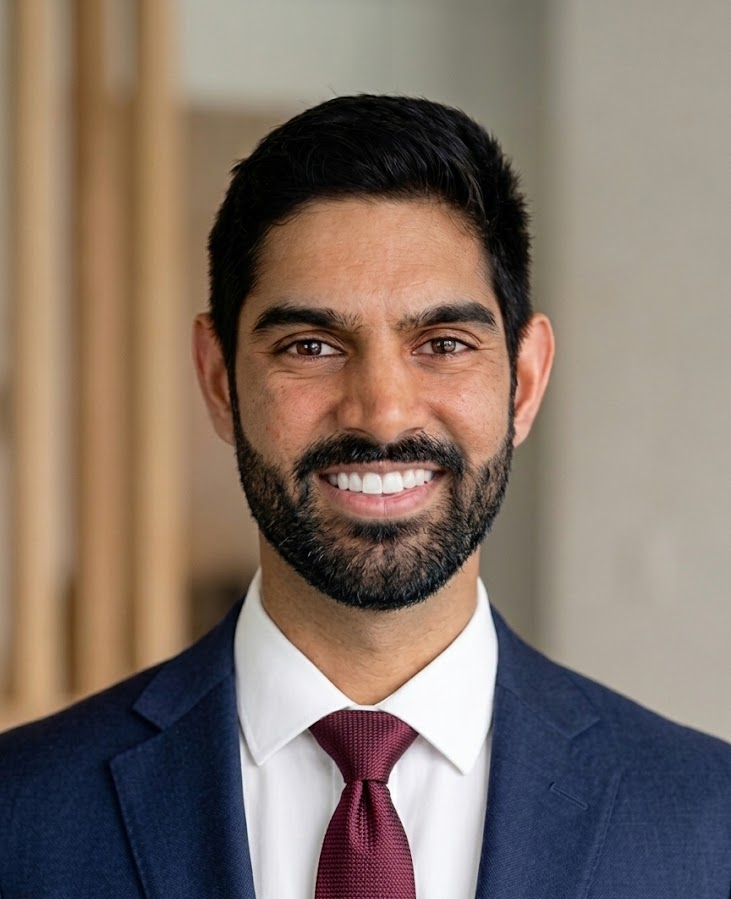
Dr. Rohan Patel, MD is a double-board certified pediatrician in General Pediatrics and Developmental-Behavioral Pediatrics. He is the founder and medical director of NeuroKids Developmental Pediatrics in North Carolina.
The full opinion column was published by Carolina Journal on September 29, 2026. Read the publication online at: Carolina Journal Op-Ed: “Autism therapy headlines are real but don’t define industry” or view Dr. Patel’s author profile at carolinajournal.com/people/rohan-patel/ .